

Antarctic krill fishery recertified by the MSC
News originally published by
EIN Presswire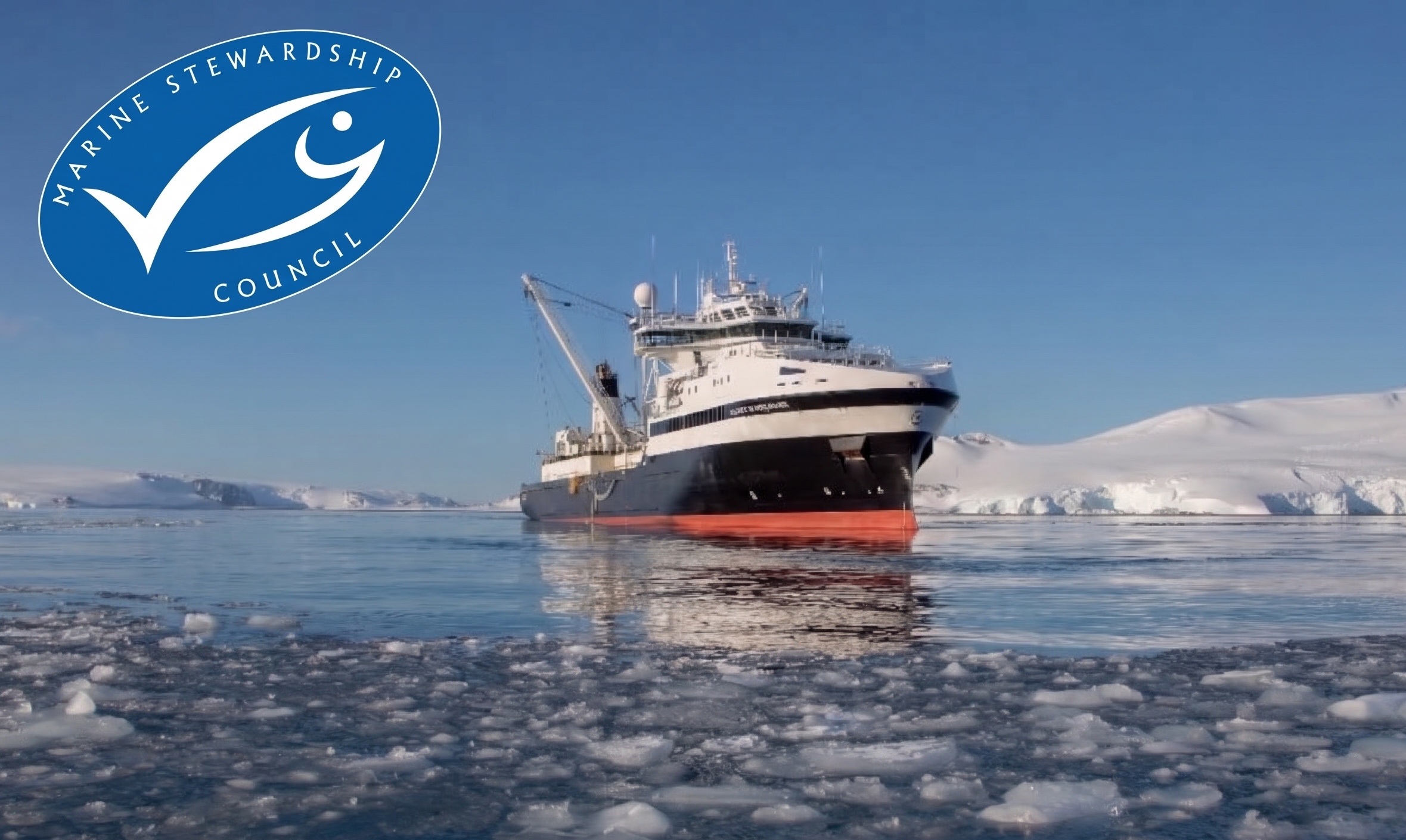
Antarctic krill fishery recertified by the MSC
After a thorough process, Aker QRILL Company’s Antarctic krill fishery has again been certified as meeting the Marine Stewardship Council's Fisheries Standard.
The recertification demonstrates that sustainable fishing is possible in the sensitive Antarctic environment, provided it is underpinned by independent oversight, precaution and accountability.”
OSLO, NORWAY, November 17, 2026 /EINPresswire.com/ -- 𝗔𝗳𝘁𝗲𝗿 𝗮 𝘁𝗵𝗼𝗿𝗼𝘂𝗴𝗵 𝗽𝗿𝗼𝗰𝗲𝘀𝘀, 𝗶𝗻𝗰𝗹𝘂𝗱𝗶𝗻𝗴 𝗶𝗻𝗱𝗲𝗽𝗲𝗻𝗱𝗲𝗻𝘁 𝗽𝗲𝗲𝗿 𝗿𝗲𝘃𝗶𝗲𝘄, 𝗽𝘂𝗯𝗹𝗶𝗰 𝗰𝗼𝗻𝘀𝘂𝗹𝘁𝗮𝘁𝗶𝗼𝗻, 𝗮𝗻𝗱 𝗮𝗻 𝗶𝗻𝘃𝗲𝘀𝘁𝗶𝗴𝗮𝘁𝗶𝗼𝗻 𝗼𝗳 𝗮 𝗳𝗼𝗿𝗺𝗮𝗹 𝗼𝗯𝗷𝗲𝗰𝘁𝗶𝗼𝗻 𝗯𝘆 𝘁𝗵𝗲 𝗠𝗦𝗖'𝘀 𝗶𝗻𝗱𝗲𝗽𝗲𝗻𝗱𝗲𝗻𝘁 𝗼𝘃𝗲𝗿𝘀𝗶𝗴𝗵𝘁 𝗯𝗼𝗱𝘆, 𝗔𝗸𝗲𝗿 𝗤𝗥𝗜𝗟𝗟 𝗖𝗼𝗺𝗽𝗮𝗻𝘆’𝘀 𝗔𝗻𝘁𝗮𝗿𝗰𝘁𝗶𝗰 𝗸𝗿𝗶𝗹𝗹 𝗳𝗶𝘀𝗵𝗲𝗿𝘆 𝗵𝗮𝘀 𝗮𝗴𝗮𝗶𝗻 𝗯𝗲𝗲𝗻 𝗰𝗲𝗿𝘁𝗶𝗳𝗶𝗲𝗱 𝗮𝘀 𝗺𝗲𝗲𝘁𝗶𝗻𝗴 𝘁𝗵𝗲 𝗠𝗮𝗿𝗶𝗻𝗲 𝗦𝘁𝗲𝘄𝗮𝗿𝗱𝘀𝗵𝗶𝗽 𝗖𝗼𝘂𝗻𝗰𝗶𝗹'𝘀 𝗙𝗶𝘀𝗵𝗲𝗿𝗶𝗲𝘀 𝗦𝘁𝗮𝗻𝗱𝗮𝗿𝗱.— Marine Stewardship Council, announcement of 6 November 2026
The fishery has held MSC certification continuously since 2010, and the new certificate reflects its latest five-yearly reassessment. The fishery achieved strong scores across all three MSC principles under the MSC Fisheries Standard.
For customers and brands relying on Antarctic krill ingredients, independent certification provides important assurance that the fishery is assessed against internationally recognized sustainability requirements. It also supports transparency and confidence throughout the global krill supply chain.
𝘒𝘦𝘦𝘱𝘪𝘯𝘨 𝘵𝘩𝘪𝘴 𝘤𝘦𝘳𝘵𝘪𝘧𝘪𝘤𝘢𝘵𝘪𝘰𝘯 𝘪𝘴 𝘴𝘰𝘮𝘦𝘵𝘩𝘪𝘯𝘨 𝘸𝘦 𝘩𝘢𝘷𝘦 𝘵𝘰 𝘦𝘢𝘳𝘯 𝘦𝘷𝘦𝘳𝘺 𝘧𝘪𝘷𝘦 𝘺𝘦𝘢𝘳𝘴, 𝘢𝘯𝘥 𝘪𝘵 𝘳𝘦𝘲𝘶𝘪𝘳𝘦𝘴 𝘶𝘴 𝘵𝘰 𝘦𝘯𝘴𝘶𝘳𝘦 𝘵𝘩𝘦 𝘧𝘪𝘴𝘩𝘦𝘳𝘺 𝘦𝘷𝘰𝘭𝘷𝘦𝘴 𝘨𝘰𝘪𝘯𝘨 𝘧𝘰𝘳𝘸𝘢𝘳𝘥. 𝘛𝘩𝘦 𝘱𝘳𝘰𝘤𝘦𝘴𝘴 𝘩𝘢𝘴 𝘣𝘦𝘦𝘯 𝘦𝘴𝘱𝘦𝘤𝘪𝘢𝘭𝘭𝘺 𝘵𝘩𝘰𝘳𝘰𝘶𝘨𝘩, 𝘣𝘶𝘵 𝘴𝘤𝘳𝘶𝘵𝘪𝘯𝘺 𝘪𝘴 𝘢𝘭𝘸𝘢𝘺𝘴 𝘸𝘩𝘢𝘵 𝘮𝘢𝘬𝘦𝘴 𝘶𝘴 𝘣𝘦𝘵𝘵𝘦𝘳,” 𝘴𝘢𝘺𝘴 𝘗𝘢̊𝘭 𝘚𝘬𝘰𝘨𝘳𝘢𝘯𝘥, 𝘊𝘩𝘪𝘦𝘧 𝘗𝘰𝘭𝘪𝘤𝘺 𝘖𝘧𝘧𝘪𝘤𝘦𝘳 𝘰𝘧 𝘈𝘬𝘦𝘳 𝘘𝘙𝘐𝘓𝘓 𝘊𝘰𝘮𝘱𝘢𝘯𝘺.
LRQA, an accredited independent conformity assessment body, began reassessing the fishery in spring 2025. It evaluated krill-stock health, ecosystem impacts and management. Independent scientific reviewers assessed the draft findings, which LRQA then opened for public comment. LRQA recommended certification in February 2026.
The assessment noted safeguards: CCAMLR limits catches to about 1% of estimated krill biomass in the area, and scientific observers accompany every trip. It also cited voluntary research and monitoring, low-bycatch technology, and seasonal no-fishing zones near penguin colonies. Further improvements are needed, including more spatially refined fisheries management and stronger ecosystem safeguards. AQC remains committed to research, stakeholder dialogue, and advancing management through CCAMLR.
𝗔𝘀𝘀𝗲𝘀𝘀𝗺𝗲𝗻𝘁 𝘀𝗰𝗼𝗿𝗲𝘀
The fishery achieved strong scores across all three MSC principles, comfortably exceeding the threshold of 80 that each principle must reach for certification:
Principle 1: Target stock sustainability: 86.7
Principle 2: Environmental and ecosystem impacts: 88.7
Principle 3: Fisheries management system: 93.5
The particularly strong management score reflects the established CCAMLR framework, compliance and monitoring arrangements, and stakeholder engagement.
“𝘛𝘩𝘦 𝘘𝘳𝘪𝘭𝘭 𝘧𝘪𝘴𝘩𝘦𝘳𝘺’𝘴 𝘳𝘦𝘤𝘦𝘳𝘵𝘪𝘧𝘪𝘤𝘢𝘵𝘪𝘰𝘯 𝘥𝘦𝘮𝘰𝘯𝘴𝘵𝘳𝘢𝘵𝘦𝘴 𝘵𝘩𝘢𝘵 𝘴𝘶𝘴𝘵𝘢𝘪𝘯𝘢𝘣𝘭𝘦 𝘧𝘪𝘴𝘩𝘪𝘯𝘨 𝘪𝘴 𝘱𝘰𝘴𝘴𝘪𝘣𝘭𝘦 𝘪𝘯 𝘵𝘩𝘦 𝘴𝘦𝘯𝘴𝘪𝘵𝘪𝘷𝘦 𝘈𝘯𝘵𝘢𝘳𝘤𝘵𝘪𝘤 𝘦𝘯𝘷𝘪𝘳𝘰𝘯𝘮𝘦𝘯𝘵, 𝘱𝘳𝘰𝘷𝘪𝘥𝘦𝘥 𝘪𝘵 𝘪𝘴 𝘶𝘯𝘥𝘦𝘳𝘱𝘪𝘯𝘯𝘦𝘥 𝘣𝘺 𝘪𝘯𝘥𝘦𝘱𝘦𝘯𝘥𝘦𝘯𝘵 𝘰𝘷𝘦𝘳𝘴𝘪𝘨𝘩𝘵, 𝘱𝘳𝘦𝘤𝘢𝘶𝘵𝘪𝘰𝘯 𝘢𝘯𝘥 𝘢𝘤𝘤𝘰𝘶𝘯𝘵𝘢𝘣𝘪𝘭𝘪𝘵𝘺.”, 𝘔𝘢𝘳𝘪𝘯𝘦 𝘚𝘵𝘦𝘸𝘢𝘳𝘥𝘴𝘩𝘪𝘱 𝘊𝘰𝘶𝘯𝘤𝘪𝘭, 𝘢𝘯𝘯𝘰𝘶𝘯𝘤𝘦𝘮𝘦𝘯𝘵 𝘰𝘧 6 𝘕𝘰𝘷𝘦𝘮𝘣𝘦𝘳 2026
𝗢𝗯𝗷𝗲𝗰𝘁𝗶𝗼𝗻 𝗽𝗿𝗼𝗰𝗲𝗱𝘂𝗿𝗲𝘀 𝗮𝗻𝗱 𝗰𝗼𝗻𝗱𝗶𝘁𝗶𝗼𝗻𝘀
Two NGOs filed formal objections. Under MSC procedures, an Independent Adjudicator reviewed them before Assurance Services International (ASI), which oversees MSC assessors, investigated. ASI’s final report, published 6 November 2026, concluded the fishery could proceed to certification. Though lengthy and demanding, this scrutiny - including challenges from outside the industry - supports the MSC label’s credibility.
This certification introduces two conditions to address local-scale management, prevent concentrated harvesting, and ensure decisions account for that risk. Conditions are routine in the MSC program, intended “to incentivize further improvements in fishery performance”. Most certified fisheries have conditions, and a peer-reviewed study found more than nine in ten were certified with them.
For several years, AQC has argued for finer-scale, science-based management of the krill fishery, including support for a new krill fishery management approach and a Marine Protected Area in the Antarctic Peninsula region, and will continue to do so.
“𝘞𝘦 𝘸𝘢𝘯𝘵 𝘵𝘰 𝘵𝘩𝘢𝘯𝘬 𝘦𝘷𝘦𝘳𝘺𝘰𝘯𝘦 𝘪𝘯𝘷𝘰𝘭𝘷𝘦𝘥 𝘪𝘯 𝘵𝘩𝘪𝘴 𝘵𝘩𝘰𝘳𝘰𝘶𝘨𝘩 𝘱𝘳𝘰𝘤𝘦𝘴𝘴, 𝘢𝘭𝘴𝘰 𝘵𝘩𝘦 𝘰𝘳𝘨𝘢𝘯𝘪𝘻𝘢𝘵𝘪𝘰𝘯𝘴 𝘸𝘩𝘰 𝘩𝘢𝘷𝘦 𝘥𝘦𝘷𝘰𝘵𝘦𝘥 𝘵𝘪𝘮𝘦 𝘢𝘯𝘥 𝘦𝘧𝘧𝘰𝘳𝘵 𝘵𝘩𝘳𝘰𝘶𝘨𝘩 𝘵𝘩𝘦 𝘧𝘰𝘳𝘮𝘢𝘭 𝘔𝘚𝘊 𝘴𝘵𝘢𝘬𝘦𝘩𝘰𝘭𝘥𝘦𝘳 𝘱𝘳𝘰𝘤𝘦𝘴𝘴,” 𝘗𝘢̊𝘭 𝘚𝘬𝘰𝘨𝘳𝘢𝘯𝘥 𝘤𝘰𝘯𝘤𝘭𝘶𝘥𝘦𝘴.
--------------
𝐅𝐚𝐜𝐭𝐬: 𝐡𝐨𝐰 𝐌𝐒𝐂 𝐜𝐞𝐫𝐭𝐢𝐟𝐢𝐜𝐚𝐭𝐢𝐨𝐧 𝐰𝐨𝐫𝐤𝐬
• Three principles. The MSC Fisheries Standard measures a fishery against three things: healthy fish stocks, minimal impact on the wider ecosystem, and effective, adaptive management.
• Independent assessors, not MSC. MSC sets the standard but does not assess fisheries itself. Accredited, independent assessment bodies carry out the evaluation and publish their findings.
• Open to challenge. Every assessment includes peer review and public consultation, and any stakeholder, including NGOs and scientific bodies, can formally object before certification is confirmed. Objections are investigated by Assurance Services International (ASI), an independent oversight body.
• A high bar, not a pass or fail. A fishery must score at least 60 out of 100 on every performance indicator and average 80 or higher across each principle. Falling short of best practice on any indicator means accepting a binding condition to improve, with fixed deadlines and annual follow-up.
• Five-year cycle. Certificates run for five years, with independent surveillance audits carried out annually in between.
𝘙𝑒𝘢𝑑 𝑚𝘰𝑟𝘦:
- MSC release about recertification: https://www.msc.org/media-centre/press-releases/press-release/the-qrill-company-antarctic-krill-fishery-set-to-be---recertified-to-the-msc-fisheries-standard
- MSC reports and documentation: https://fisheries.msc.org/en/fisheries/antarctic-krill-fishery/@@assessments
𝗔𝗯𝗼𝘂𝘁 𝘁𝗵𝗲 𝗠𝗮𝗿𝗶𝗻𝗲 𝗦𝘁𝗲𝘄𝗮𝗿𝗱𝘀𝗵𝗶𝗽 𝗖𝗼𝘂𝗻𝗰𝗶𝗹
The Marine Stewardship Council (MSC) is an international non-profit organization that runs the world's leading certification and ecolabelling program for sustainable seafood. The MSC Fisheries Standard is a science-based set of requirements for sustainable fishing, developed with scientists, the fishing industry and conservation organizations and revised regularly to reflect the latest science and best practice. To be certified, a fishery must show that it fishes at sustainable levels, minimizes its environmental impact and is well managed, and it must pass an independent audit every year. – www.msc.org
𝗔𝗯𝗼𝘂𝘁 𝗔𝗸𝗲𝗿 𝗤𝗥𝗜𝗟𝗟 𝗖𝗼𝗺𝗽𝗮𝗻𝘆
Aker QRILL Company is a global frontrunner in sustainable krill-based ingredients, delivering high-performance nutrition to the aquaculture and pet food industries. With full control of the value chain, from sustainable harvesting in Antarctica to advanced R&D, processing, and global sales, we drive innovation and impact. The company develops krill-based ingredients for aquaculture (QRILL™ Aqua), animal feed applications (QRILL™ Pet), and nutraceutical human health products. Our headquarters are in Oslo, Norway, with regional offices across key markets including Bergen, Ålesund, France, India, Thailand, China, Indonesia, and Chile. – www.qrill.com
Media contact
Tormod Sandstø
Communications Director, Aker QRILL Company
tormod.sandsto@qrill.com
t: +47 90943215
Tormod Sandstø
Aker QRILL Company
tormod.sandsto@qrill.com
Visit us on social media:
LinkedIn
Legal Disclaimer:
EIN Presswire provides this news content "as is" without warranty of any kind. We do not accept any responsibility or liability for the accuracy, content, images, videos, licenses, completeness, legality, or reliability of the information contained in this article. If you have any complaints or copyright issues related to this article, kindly contact the author above.
